


How to Make the Most of a Singapore Condo Viewing
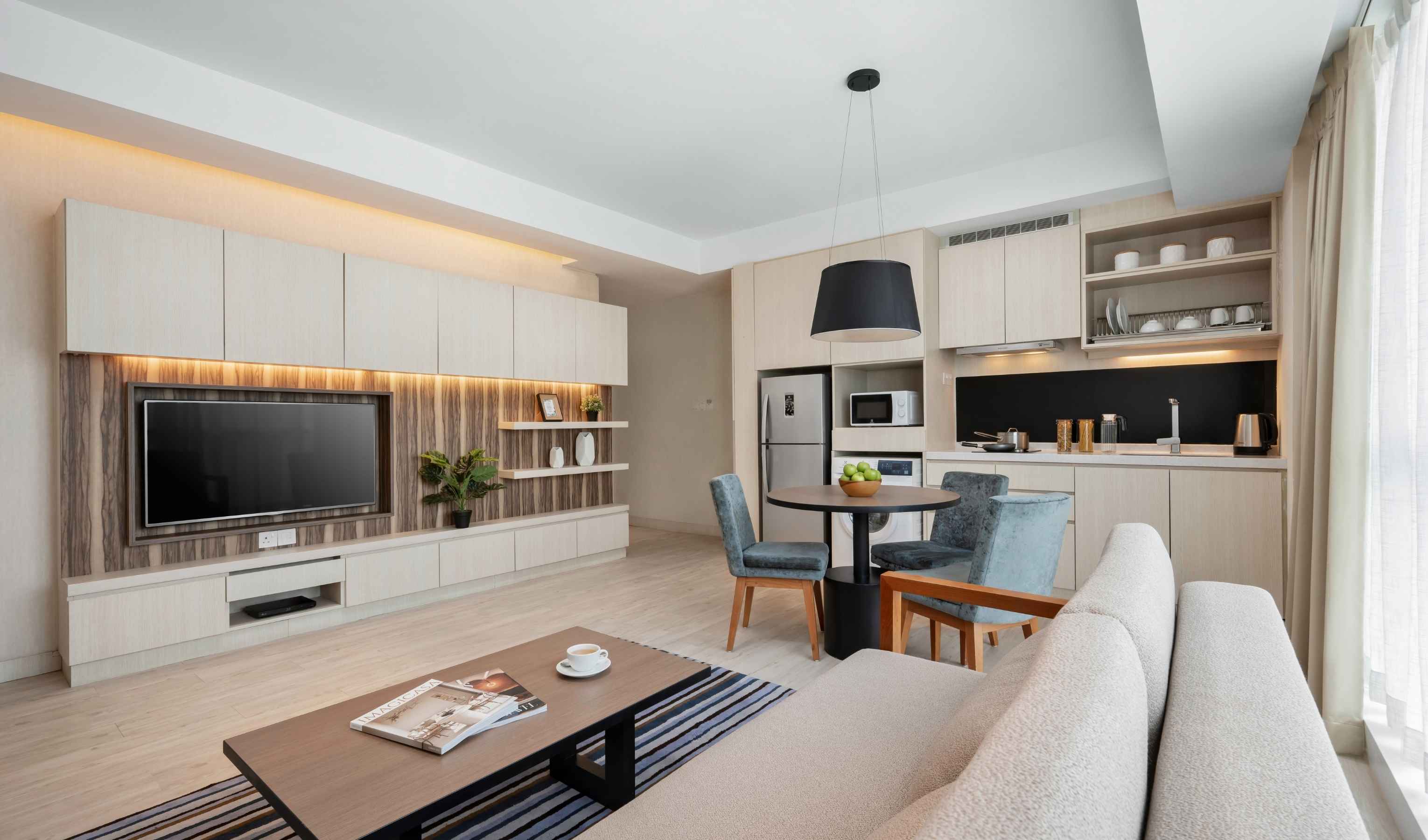
Looking at a condominium online can provide a useful introduction, but photographs and floor plans can only reveal part of the story. A property becomes much easier to understand when buyers physically visit the development and experience the unit, shared areas and surrounding neighbourhood for themselves.
A viewing should therefore be more than a quick walk through the apartment.
It is an opportunity to test assumptions, identify practical details and determine whether the property actually suits everyday life. This is especially useful when comparing developments such as Lucerne Grand and Amberwood at Holland, where the surrounding environments and individual units can offer very different experiences.
Start Before Entering the Unit
The viewing begins before reaching the apartment.
Pay attention to the journey from the street to the development entrance. Is the entrance easy to identify? How does the surrounding area feel? Is pedestrian access straightforward?
These details can influence the experience of residents and visitors.
For Lucerne Grand, buyers can explore the surrounding Lakeside and Jurong area before entering the development.
For Amberwood at Holland, walking through the Holland neighbourhood can provide context about the area’s character and the relationship between the development and nearby amenities.
A property should be evaluated as part of its surroundings, not as an isolated building.
Look at the Arrival Experience
Once inside, observe the common areas.
The entrance, lift lobby and corridors can provide useful information about the overall residential environment.
Look at cleanliness, lighting, signage and general upkeep.
A beautifully decorated show unit may create a strong impression, but residents spend time in shared spaces every day too.
Do not feel pressured to move quickly through these areas.
The condition of communal spaces can help buyers understand how the development is managed and maintained.
Do Not Ignore the Lift
The lift may not seem important during a property tour, but it becomes part of everyday life.
Consider where the unit is positioned relative to the lift lobby.
Listen for activity around the area. Think about whether the location would be convenient for groceries, deliveries and visitors.
If the apartment is directly beside a busy common area, buyers should consider whether the potential activity suits their preferences.
This does not automatically make such a unit undesirable. Some residents value convenience more than quietness.
The important thing is to understand the trade-off.
Test the Floor Plan With Your Imagination
Once inside the apartment, avoid judging it solely by the furniture provided.
Show units are often arranged to make the space look attractive, but buyers need to imagine their own belongings.
Ask where the sofa would go.
Where would the television be placed?
Could a dining table fit comfortably?
Would there be enough room for a work desk?
Where would additional storage be installed?
These questions can reveal whether the floor plan genuinely works for the household.
A well-designed unit should allow furniture and everyday activities to coexist without making the space feel unnecessarily crowded.
Open Cabinets and Doors
Buyers should examine more than walls and flooring.
Open kitchen cabinets. Check wardrobes. Look inside storage areas.
The goal is to understand usable space.
A cabinet that looks attractive from the outside may have limited internal capacity. A wardrobe may appear large but have an inefficient configuration.
Small details become more important after moving in.
It is much easier to identify these issues during a viewing than after the purchase.
Pay Attention to Windows
Windows can affect the character of a home.
Look outside and identify what the apartment actually faces.
Check nearby buildings, roads, greenery and communal facilities.
Also consider privacy.
If another building is close by, ask whether residents would feel comfortable keeping their curtains open.
This can be especially important for living rooms and bedrooms.
Buyers considering Lucerne Grand should examine the specific outlook of each unit within its Jurong setting.
Those viewing Amberwood at Holland should similarly assess how their preferred unit relates to the surrounding neighbourhood.
Listen Carefully
Property viewings are often visually focused, but sound can be equally revealing.
Pause for a moment and listen.
Can traffic be heard?
Are there sounds from lifts, corridors or nearby communal spaces?
Is the surrounding environment quiet during the viewing?
Noise levels can change depending on the time of day, so one visit may not provide the full picture.
If a unit is seriously being considered, returning at another time can be worthwhile.
Check Mobile and Internet Requirements
Modern homes depend heavily on connectivity.
Residents work from home, stream entertainment, attend video calls and use smart devices throughout the day.
During a viewing, buyers may want to consider whether their preferred mobile network performs well inside the apartment.
Internet service availability and installation arrangements should also be confirmed independently.
A beautiful home is less useful for a remote worker if the practical technology requirements have not been considered.
Examine the Kitchen and Bathrooms
These areas deserve detailed attention because they are used frequently.
In the kitchen, consider counter space, storage, appliance positions and ventilation.
In bathrooms, look at the layout, storage and finishes.
Buyers should also inspect signs of water damage, dampness or poor maintenance where relevant, particularly when viewing an existing property.
For a new development, buyers should review the specifications and ask appropriate questions about fittings, warranties and handover procedures.
Walk Around the Development
Do not finish the viewing immediately after seeing the apartment.
Explore the common facilities and outdoor areas.
Look at pathways, landscaping, recreational spaces and other communal areas.
Ask yourself whether these are places you would realistically use.
For example, a buyer may discover that the outdoor spaces at Lucerne Grand fit their routine well, while another may prefer the central neighbourhood environment around Amberwood at Holland.
The point is to experience the property rather than simply inspect it.
Visit the Surrounding Neighbourhood
The final stage of a good viewing should happen outside the development.
Walk toward nearby shops, transport points and other destinations.
This helps buyers understand distances in practical terms.
A location that appears convenient on a map may feel different when experienced on foot.
Around Lucerne Grand, buyers can explore the wider Jurong area and destinations such as Jurong Lake Gardens.
Around Amberwood at Holland, walking through the Holland neighbourhood can provide a better sense of its cafés, restaurants, shops and surrounding streets.
Ask Questions Before Leaving
A property viewing is also an opportunity to gather information.
Buyers should prepare questions in advance.
Useful topics may include maintenance fees, parking, renovation restrictions, facility rules, development management and any known upcoming works.
For resale properties, buyers should also ask about the unit’s history and condition where appropriate.
Taking notes during the visit can help when comparing several properties.
It is easy to remember the most attractive apartment and forget important practical details later.
Compare Units, Not Just Developments
One of the biggest mistakes buyers can make is deciding that they prefer a development without comparing individual units.
Within the same condominium, units can differ in orientation, floor level, views, noise exposure and layout.
Therefore, a buyer who likes Lucerne Grand should compare suitable units within the development rather than treating every unit as identical.
The same applies to Amberwood at Holland.
The development provides the broader environment, but the individual apartment determines much of the daily experience.
Take a Second Viewing Seriously
If a property remains a strong candidate after the first visit, a second viewing can be valuable.
Return at a different time of day.
Check the surroundings again.
Review the floor plan.
Imagine your furniture inside.
Think about your weekday routine and weekend activities.
A second visit can either strengthen the original impression or reveal concerns that were not obvious initially.
Final Thoughts
A condominium viewing should be treated as research rather than entertainment.
Lucerne Grand and Amberwood at Holland each offer their own residential setting, but buyers should investigate the actual unit and surrounding environment before making assumptions.
Look at common areas. Test the layout. Examine storage. Listen for noise. Check the views. Explore the facilities. Walk through the neighbourhood and ask detailed questions.
Most importantly, imagine living there rather than simply looking at it.
Would you enjoy waking up in the bedroom? Would the kitchen work for your cooking habits? Could your furniture fit comfortably? Would the surrounding environment suit your daily routine?
These questions are more valuable than simply asking whether a condominium looks impressive.
A successful property purchase begins with good information. By turning a viewing into a structured evaluation, buyers can identify potential advantages and drawbacks before committing and make a decision based on how the home actually works—not just how it appears in photographs.

OpenAI Blames Apple for Trade Secrets Leak


