


Pet insurers seek flexible plans for aging pets
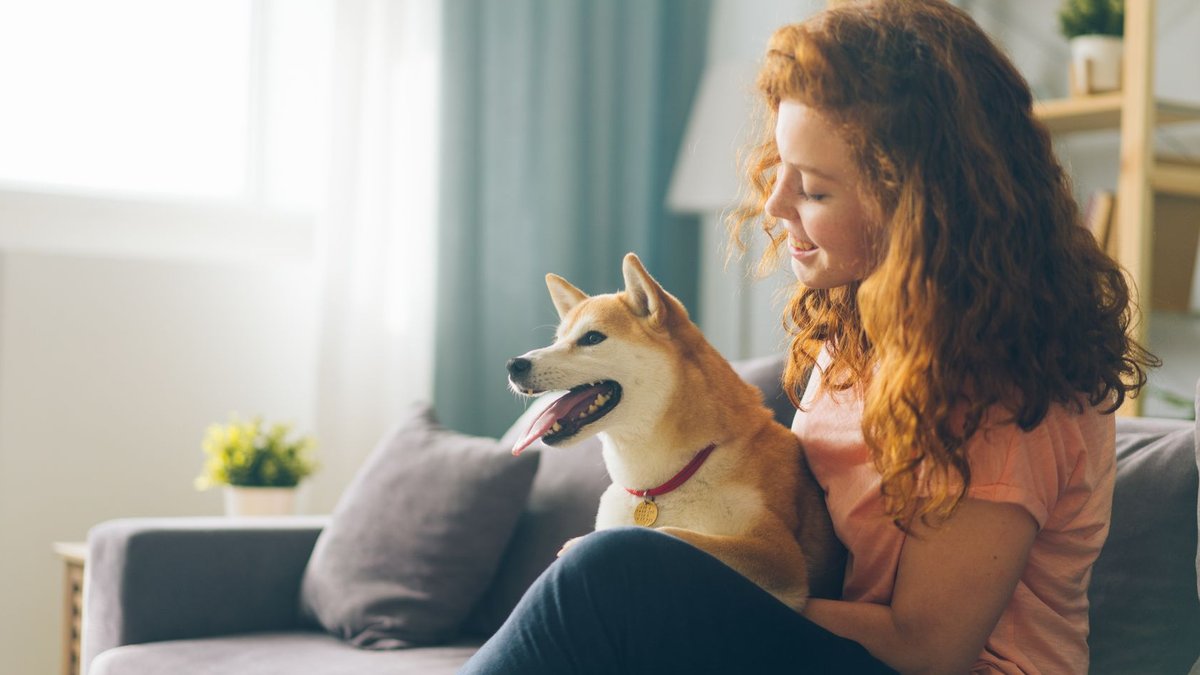
Pet insurers are under growing pressure to reform their approach to older animals, as escalating veterinary expenses drive owners to abandon coverage or manage risks themselves. During a recent industry gathering, one attendee acknowledged the sector had neglected this issue, saying the industry “hasn’t given it enough thought.”
The core difficulty lies in reconciling full protection with financial feasibility as treatment costs rise. Veterinary representatives said rising costs meant many owners were already cancelling cover as pets aged. One vet said insurance was increasingly being dropped by owners with geriatric pets because they were “priced out of it or just can’t really justify it anymore.” Lifetime plans often retain full coverage for costly procedures—even when owners may not seek them later in their pet’s life.
Industry experts explored flexible solutions, including modular policies that allow owners to select optional coverages. One proposal framed this as a “customizable” model, enabling pet owners to adjust insurance based on their specific circumstances rather than adhering to a standard package. The varying definitions of geriatric age, from five years for a Great Dane to 15 for a small breed like a Terrier, adds complexity to these adjustments.
A separate strategy targets chronic conditions common in older pets, such as arthritis or kidney disease, by covering ongoing therapies while excluding expensive diagnostic tests. The conversation also highlighted the potential for annual policy reviews, where insurers and veterinarians could collaborate to modify coverage based on a pet’s health status, the owner’s budget, and their risk preferences.
Read Also: US sets global financial regulatory standard
One speaker stressed the importance of closer cooperation between vets and insurers before renewal periods, allowing them to evaluate evolving needs and tailor policies accordingly. They said: “Perhaps there’s an opportunity for the vets alongside the clients to do a review of where the animal is on that stage, where the person’s circumstances are at that point in time before renewal and just tweak the policy to fit that life stage.”
The overarching aim is to deliver sustainable coverage for pets across all life stages without pushing owners toward self-insurance.
Self-insurance has become a common alternative among elderly pet owners, who now allocate personal savings for treatments instead of depending on traditional insurance.


