


Myne CEO defends tougher EU scrap export rules
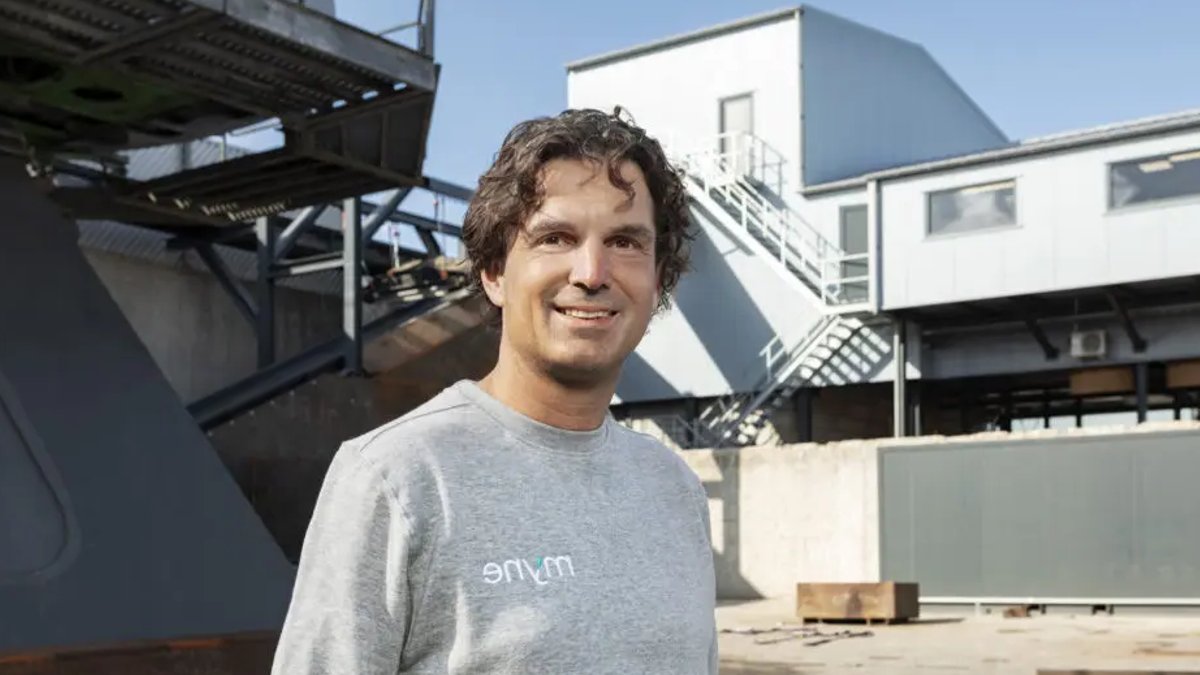
Martijn van de Poll, CEO of Myne Circular Metals, has criticized opponents of stricter regulation of EU scrap exports, arguing that they present a false choice. He believes that stricter controls on waste shipments are necessary to boost European recycling investment and preserve international markets for recovered metals.
He posted his comments on LinkedIn, responding to warnings from Recycling Europe and other industry organisations that tighter rules will block access to international markets when the revised regulation takes effect in May 2027.
Need for Strong Waste Shipment Regulation
According to Martijn van de Poll, Europe needs a strong Waste Shipment Regulation (WSR) to take responsibility for its own waste, including difficult-to-recycle fractions. He argues that exporting waste and its environmental impact elsewhere is not a viable solution.
The CEO points to the investments made by companies like Myne in advanced sorting and recycling technology across Europe. He believes that a strong WSR will stimulate these investments, create skilled jobs, and keep valuable raw materials in Europe.
A strong WSR, the executive argues, will encourage investment in European recycling and innovation rather than making it easier to export less-processed waste. He urges EU Commissioner Stéphane Séjourné not to lose ambition on this issue.
EU Consultation on Revised WSR
This conflict arises while the EU reviews the upcoming stages of its updated Waste Shipment Regulation, which became active in 2024. The European Commission is now advocating for expanded oversight on exports involving recycled and non-toxic metal scrap materials.
According to Martijn van de Poll, the EU could enforce stricter waste export policies without shutting down global trade for recovered metals, referencing the current End-of-Waste standards. He insists that overseas buyers remain vital when European production outpaces domestic demand for these materials.
Myne has committed significant funds to artificial intelligence, sensor technology, robotics, and sophisticated separation methods to extract premium aluminum and copper alloys from mixed waste sources. The company’s leader warns that weaker waste shipment rules could jeopardize these technological advancements.
Without stricter export rules, the executive argues, companies like Myne will compete with the easier alternative of exporting lower-value waste, which could reward trading over innovation and put technology-driven recyclers at a disadvantage.
Impact on European Recycling Industry
Van de Poll emphasizes that trade associations’ stances do not reflect the entire industry’s perspective, as the sector encompasses varied business approaches and priorities. His remarks follow Myne’s selection by the European Commission as a key initiative under the Critical Raw Materials Act.
The company’s CEO states this designation will help Myne accelerate growth by securing better financing, faster approvals, and expanded support for scaling up its recycling operations.


