


Qatar turns waste into economic opportunity with new recycling push
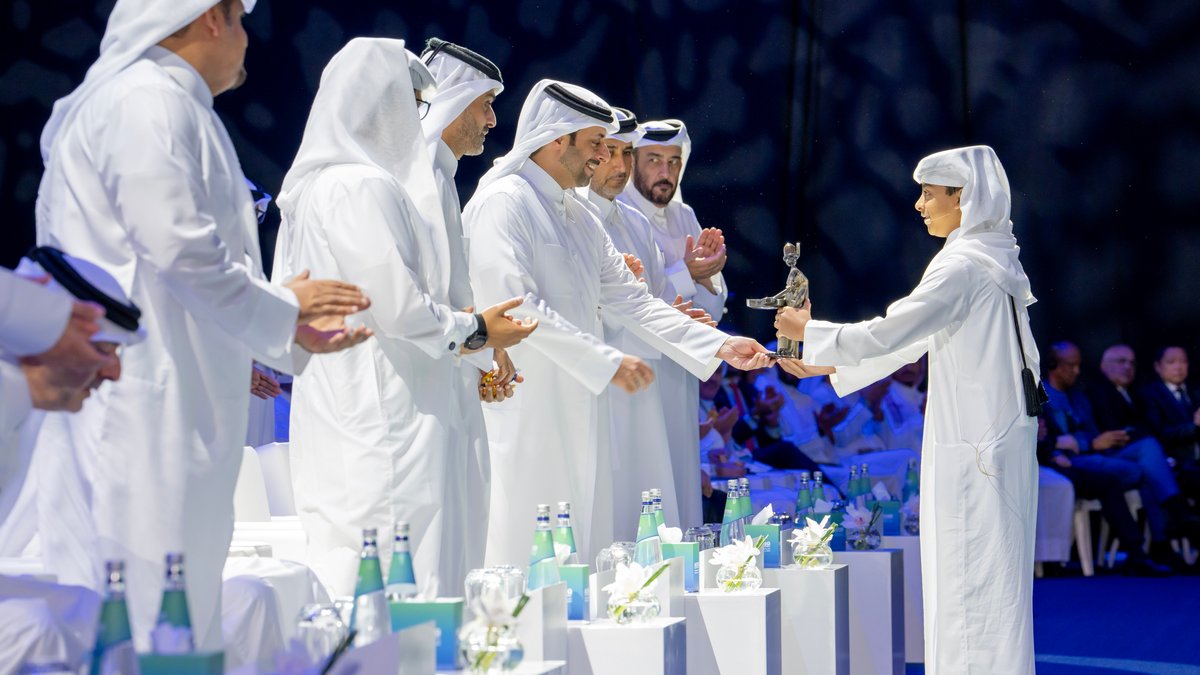
Qatar is advancing its circular economy strategy through the sixth annual Recycling Towards Sustainability conference held in Doha, where officials announced major commitments to waste management, recycling infrastructure, and technological innovation.
Reframing waste as a resource
The two-day event, hosted by the Ministry of Municipality, positioned waste as an economic and environmental opportunity rather than a burden. Minister Abdullah bin Hamad bin Abdullah Al Attiyah described the conference as a collaborative hub for government, industry, and academic partners to develop solutions for converting waste into valuable outputs.
Measurable progress toward 2025 targets demonstrates the strategy’s impact. The ministry reported that 45% of household waste now avoids landfills, while waste treatment facilities have produced 276,000 megawatt hours of electricity. Processing efforts have also handled 10,000 tonnes of end-of-life tyres, 34,000 tonnes of organic compost, 37,000 tonnes of recyclables, and 3.9 million tonnes of recycled construction materials.
Al Attiyah stressed that sustainability has become a cornerstone of economic planning, driving both resource efficiency and improvements in quality of life. The approach prioritizes turning concepts into actionable projects, technologies into practical applications, and partnerships into tangible results.
This represents a broader shift across Gulf states, where water and resource constraints have compelled governments to adopt circular economy principles as both environmental policy and a means of industrial diversification. Unlike past sustainability initiatives that depended on voluntary recycling programs, Qatar’s plan integrates waste management into fundamental infrastructure development, treating recycling as a core economic activity instead of an auxiliary effort.
Read Also: McCloskey Launches ES-200 Shredder for Efficient Recycling Operations
Private sector involvement and industrial growth
The private sector is essential to Qatar’s circular economy ambitions. In the Al Afja industrial zone, 61 recycling factories have been assigned sites: 29 are already operational, 19 are under construction, and 13 remain in the planning stages. Nine new investors have been brought on board to establish additional plants, further expanding private-sector engagement and economic diversification.
Supporting this expansion are key infrastructure projects, including the construction of a new sanitary landfill in Mesaieed, upgrades to existing landfill sites, and development of a central recycling-sorting facility. These initiatives align with Qatar’s overarching waste-management objectives, which include reducing landfill dependency and increasing recovery rates.
Technological advancements are also a focus. The ministry is developing a national smart waste-management system that leverages digital tools and centralized databases to improve monitoring, enhance data reliability, and inform decision-making processes.
Economic integration of recycling
These initiatives align with Qatar National Vision 2030 and the Third National Development Strategy, positioning the circular economy as a fundamental component of sustainable growth. The strategy emphasizes not only waste reduction but also systematic recovery, reuse, and repurposing of materials.


