


Recycling industry reshaped by resource competition and trade shifts
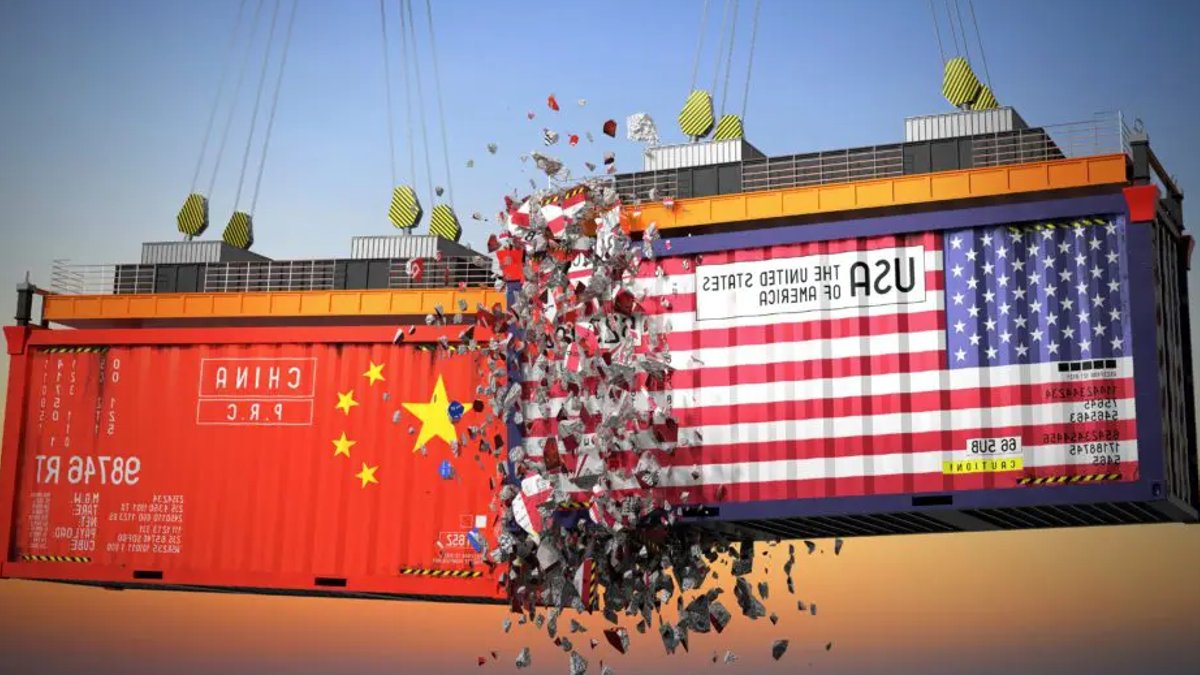
The global recycling industry is undergoing a transformation as secondary materials gain prominence, driven by geopolitical pressures and evolving trade policies. Trade specialist Juan Verde, who has advised three U.S. presidents, made this observation during a speech at the Bureau of International Recycling’s World Recycling Convention in Bangkok. He emphasized that sustainability initiatives are not declining but are being redefined under new economic constraints.
This transformation stems from a growing competition for essential resources, especially critical materials essential for emerging technologies such as 5G, artificial intelligence, quantum computing, biotechnology and space technology. Verde highlighted that rising trade barriers, supply chain disruptions, and regionalization efforts are pushing nations to prioritize domestic access to these materials. As a result, recycling infrastructure is becoming a higher priority.
Economic nationalism is spurring increased investment in recycling facilities. The U.S. and other leading economies are bringing key manufacturing operations back within their borders—a strategy Verde referred to as friend-shoring. To support this shift, domestic recycling operations must expand to meet rising demand. Although political instability, such as the possibility of a future administration skeptical of climate policies, could create delays, Verde dismissed the idea of a full retreat.
Despite political uncertainty, Verde said the long-term direction of the green transition remains intact. ‘The arrival of Donald Trump in the White House, a president who does not believe in climate change, does not change the direction,’ he said. ‘It changes the speed at which this green revolution is taking place.’ ‘Sustainability is not being phased out,’ Verde said. ‘It is being re-labelled. I could not be more bullish about your sector, or more optimistic that you are in the right industry at the right time.’
The industry’s future depends on its ability to integrate recycling into broader economic and technological strategies. Companies must now invest more heavily in recovery systems while adjusting to fluctuating policy environments. The sector’s expansion is no longer limited to environmental goals but has become a vital component of industrial stability.
Verde’s perspective reflects broader shifts in global material security. As countries reduce dependence on imports, recycling emerges as a key method for securing critical metals and minerals needed for emerging technologies. The primary obstacle remains scaling production efficiently to keep up with demand. While the industry’s growth trajectory is strong, its success will depend on coordinated action from governments and businesses.
Verde also pointed to the growing trend of regionalisation and ‘friend-shoring’, with major economies like the US reshoring key industries to secure supply chains. This new protectionism, he expects, will force countries to invest big money to ramp up their recycling capacity.


