


Celebrity Food Ads Under Legal Scrutiny
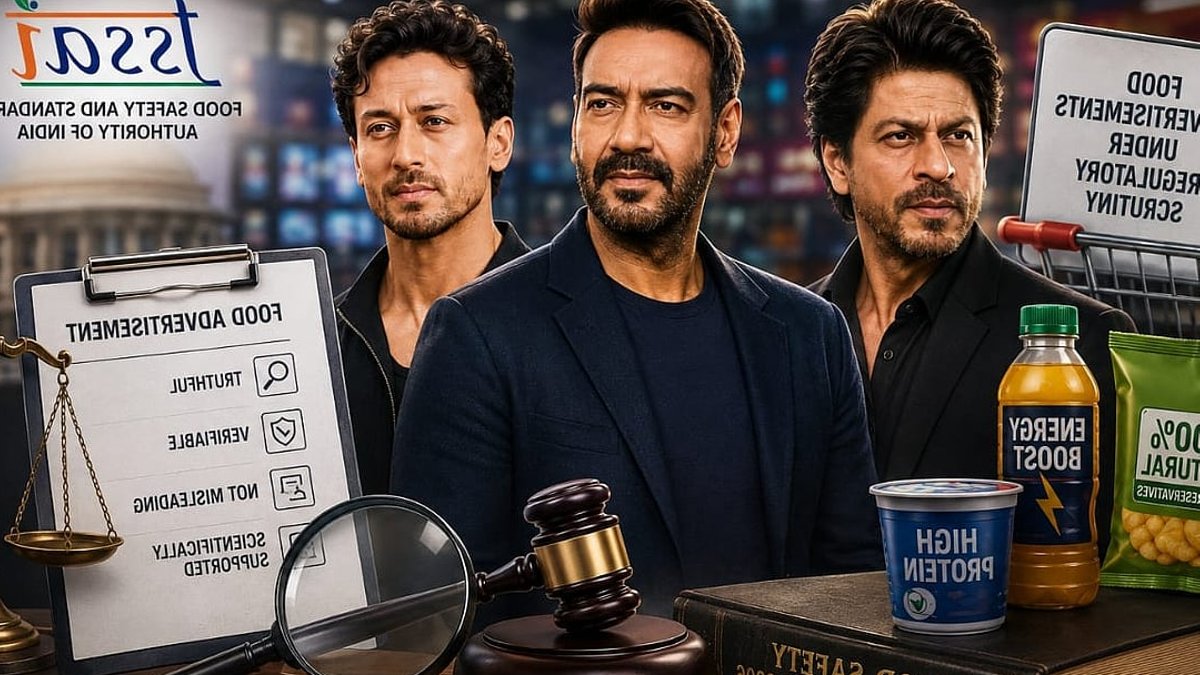
FSSAI’s crackdown on misleading food ads and celebrity endorsements has raised questions about liability, with over 150 notices issued to companies and high-profile actors like Shah Rukh Khan, Ajay Devgn, and Tiger Shroff facing scrutiny over a Vimal Elaichi advertisement.
Misleading Ads in Food Industry
The Food Safety and Standards Authority of India (FSSAI) has stepped up action against food companies for misleading advertisements, false claims, and labeling violations. Recent regulatory action has also targeted celebrity endorsers, putting a spotlight on claims made in food advertisements.
FSSAI has warned celebrities and influencers against promoting food products through misleading or unverified claims. The Maharashtra Food and Drug Administration (FDA) issued show-cause notices to actors Shah Rukh Khan, Ajay Devgn, and Tiger Shroff over their appearance in a Vimal Elaichi advertisement.
Celebrity Liability and Due Diligence
If a celebrity promotes a food product and the advertisement is found to be misleading, can the celebrity also face action? The answer is yes, but celebrity liability is not automatic. An endorser’s role, conduct, and whether they exercised due diligence before making the endorsement can matter.
Alay Razvi, Managing Partner, Accord Juris, explained that liability is not automatic, and endorsers should check the product’s FSSAI license, ingredients, nutritional information, manufacturing details, and evidence supporting the advertised claims. Blind reliance on the brand may not amount to legally sufficient due diligence.
Related: Ghosh Calls Mega Port and Highway Ideological Assertions
Surrogate Advertising and The Vimal Elaichi Case
The Vimal Elaichi case involves the concept of surrogate advertising, where a restricted or prohibited product is indirectly promoted through another product using the same or closely associated branding. In this case, the Maharashtra FDA alleged that the advertisement created an association with the Vimal Pan Masala brand, which is prohibited in the state.
Mathuvanthy Mathavan, Partner, Poovayya & Co, noted that whether an advertisement falls within this prohibition would depend on whether the regulator can establish that the advertisement is false, misleading, or deceptive in relation to the food product being advertised.
FSSAI and the Central Consumer Protection Authority (CCPA) can both act against misleading advertisements, with FSSAI focusing on food-specific regulations and the CCPA having a broader consumer-protection mandate. Recent enforcement updates show that the crackdown covers various categories of food companies, with corrective measures taken by several major brands.
With increasing regulatory pressure, celebrities are becoming more cautious about food endorsements, stepping up due diligence in endorsement contracts, and considering reputational risk and the possibility of stricter action.

Ghosh Calls Mega Port and Highway Ideological Assertions


