


Ireland Begins EU Council Presidency, Targets Budget
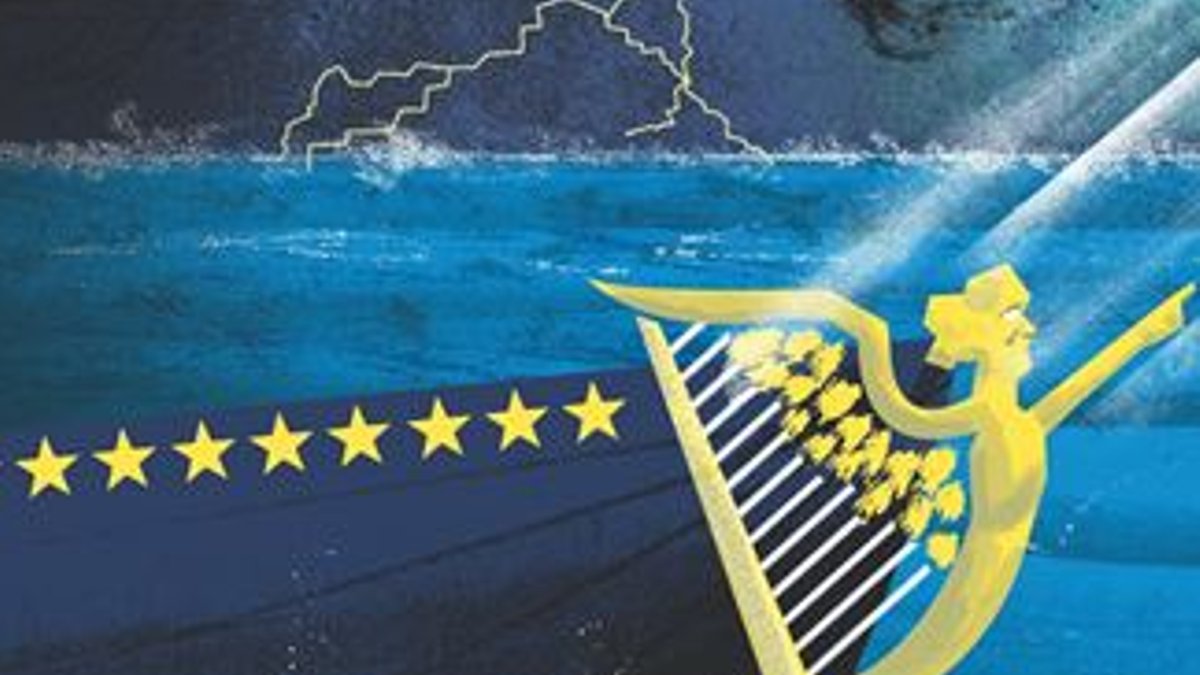
Ireland assumed the rotating presidency of the Council of the EU on 1 July 2026, beginning a six-month period that coincides with the bloc’s most demanding legislative agenda. The term will run until the end of December 2026, after which another member state will take over the role.
The Dublin government has highlighted three core tracks: finalising the next long-term EU budget, advancing the “One Europe, One Market” roadmap, and steering the EU’s security agenda amid heightened geopolitical tension. These strands are expected to shape legislative proposals throughout the second half of the year.
In budget talks, the country moved from net beneficiary to net contributor, positioning itself as a mediator between member states that hold divergent fiscal priorities. Negotiators anticipate that the final budget will be adopted before the year’s end, providing financial certainty for EU programmes.
Enlargement discussions will also feature prominently. The rotating chair aims to revive accession talks with Montenegro, Albania and Ukraine, echoing Dublin’s role during its 2004 term. Re-engaging the Western Balkans and Ukraine aligns with the EU’s strategic aim to deepen ties with its eastern neighbours.
On digital policy, the Irish agenda calls for a rulebook that puts citizens ahead of large technology firms. Proposals will seek to curb the market power of Big Tech while safeguarding user privacy. The rulebook will also address algorithmic transparency and cross-border data flows.
Housing policy is another focal point. The European Commission and Parliament are crafting a coordinated response to the EU’s housing shortage, and Dublin plans to introduce concrete measures to increase affordable rentals across member states. Member states will be encouraged to allocate funding for renovation of existing stock as part of the plan.
Parliamentary Guide Highlights Presidency Priorities and UK-EU Reset Challenges
The European Parliament released a guide that maps out Ireland’s presidency priorities, highlighting political fault lines and key debates expected to influence its work. The publication examines how internal trends may affect negotiations across the bloc.
A separate analysis notes that, ten years after Brexit, rising public support for closer EU-UK ties collides with ongoing political instability in Britain. The report warns that these constraints are slowing the EU-UK “reset” despite favourable public opinion.
An eMagazine commentary described Keir Starmer’s resignation as the latest bump in Europe’s political road. The piece links the resignation to broader challenges facing EU governance.


