


How Contemporary Design Creates More Functional Living Spaces
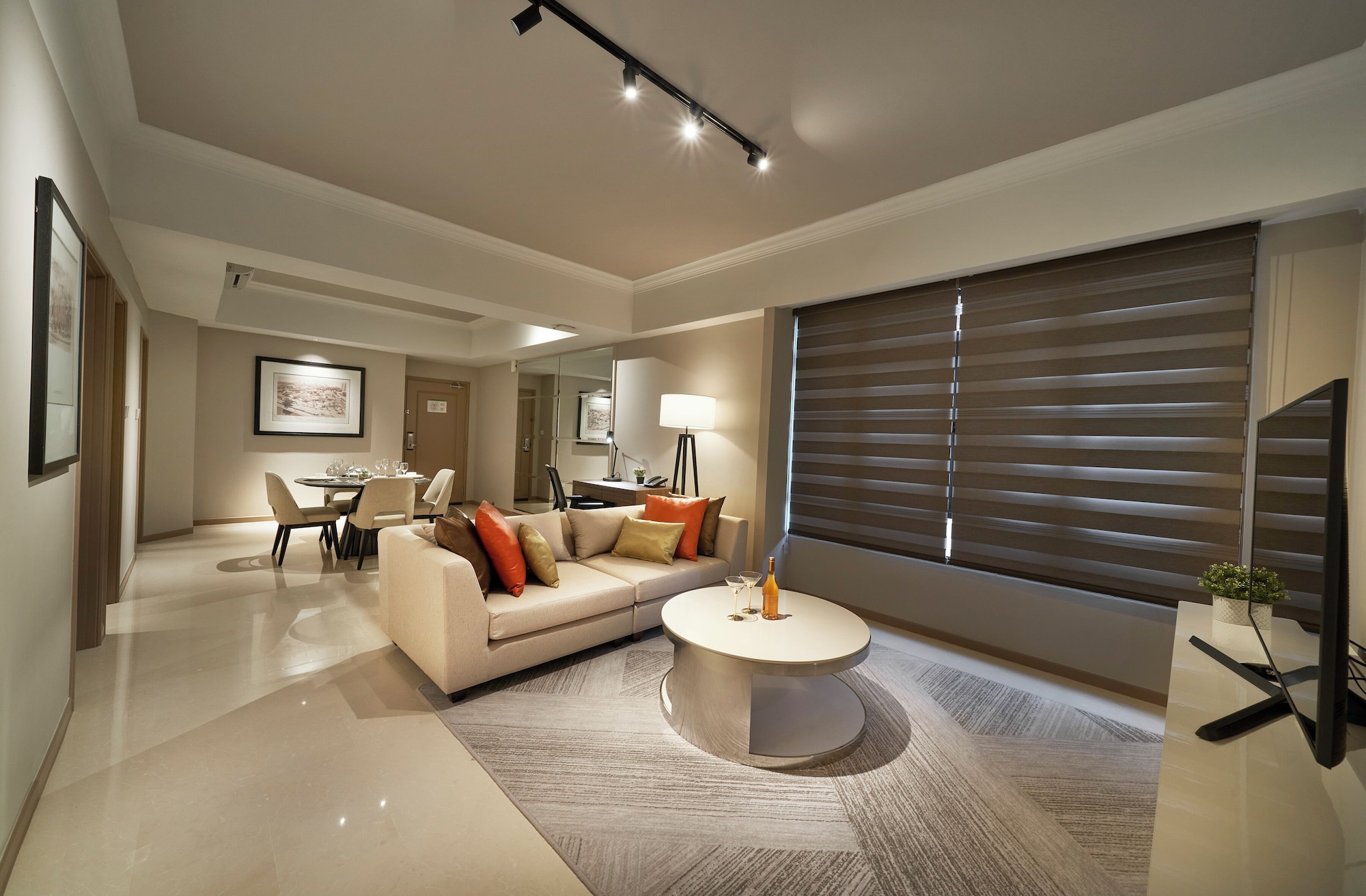
Contemporary residential design is increasingly focused on making homes work better for modern lifestyles. Rather than treating appearance as the primary measure of quality, contemporary design considers how residents move, work, relax, entertain, and store belongings within their homes. In Singapore, where efficient use of space is particularly important, thoughtful design can help smaller homes feel comfortable and adaptable. From flexible layouts and natural lighting to integrated storage and smart technology, practical design choices can improve the way a property performs throughout everyday life.
Efficient Layouts Make Space More Useful
A functional home does not necessarily need to be large. Efficient planning can make better use of every available square metre by reducing unnecessary corridors and awkward corners.
Open living and dining areas can create a greater sense of spaciousness, while clearly defined zones can provide privacy when needed. Buyers should examine how rooms connect and whether the layout supports their actual routines. A floor plan that looks impressive on paper may be less practical if furniture placement or circulation is difficult.
Flexible Spaces Adapt to Different Needs
Modern households often use rooms for more than one purpose. A study may double as a guest room, while a dining area may occasionally become a workspace or children’s activity zone.
Contemporary design can support this flexibility through sliding doors, movable partitions, built-in furniture, and adaptable layouts. The ability to change how a room is used can become increasingly valuable as household circumstances evolve. Developments such as The Serra Residences demonstrate why buyers may pay close attention to the practical relationship between individual spaces.
Natural Light Improves the Experience
Large or strategically positioned windows can bring natural light deeper into living areas. Bright interiors often feel more open and welcoming, while daylight can help create different atmospheres throughout the day.
The quality of natural light depends on orientation, surrounding buildings, floor level, window placement, and shading. Buyers should consider these factors rather than judging brightness solely from a furnished show unit. Visiting at different times can provide a clearer understanding of how light changes within the property.
Ventilation Supports Comfortable Living
Contemporary design can also respond to Singapore’s tropical climate through thoughtful ventilation. Window placement, unit orientation, balconies, and internal room arrangements can influence airflow.
Natural ventilation can complement mechanical cooling and provide residents with more options for managing indoor conditions. Buyers should examine which rooms have windows and whether living spaces have suitable openings. Climate-responsive design can contribute to comfort while also supporting practical energy management.
Integrated Storage Reduces Clutter
Storage is an important component of functional residential design. Built-in wardrobes, kitchen cabinets, utility areas, and carefully positioned storage spaces can help residents keep everyday belongings organised.
Contemporary homes often integrate storage into the architecture rather than treating it as an afterthought. Buyers should consider whether cupboards are deep and accessible enough for their needs and whether there is sufficient room for luggage, appliances, cleaning equipment, and seasonal items. A visually minimalist home is easier to maintain when storage has been properly planned.
Kitchens Can Be Designed for Real Use
Modern kitchens increasingly combine practical preparation areas with social spaces. Open-plan kitchens can connect cooking with dining and living areas, making it easier to interact with family members or guests.
However, openness should be balanced with ventilation, storage, and cooking requirements. Buyers who prepare meals frequently should examine counter space, cabinet capacity, appliance placement, and ventilation. A stylish kitchen is most useful when it also supports the way the household actually cooks and entertains.
Bathrooms Benefit From Practical Planning
Contemporary bathroom design often focuses on efficient use of space and easy maintenance. Well-positioned fixtures, appropriate storage, good ventilation, and durable materials can make a bathroom more comfortable to use.
Buyers should look beyond finishes and consider practical details such as shower dimensions, door clearance, storage, and access to maintenance points. Small improvements in layout can make a noticeable difference to everyday convenience.
Technology Can Improve Functionality
Smart home systems can complement contemporary design by simplifying routine tasks. Digital locks, automated lighting, climate controls, security systems, and integrated home management can give residents greater control over their environment.
Technology should be integrated in a way that remains simple to use. Buyers should consider reliability, compatibility, security, and long-term support rather than choosing a property based solely on the number of smart features included.
Outdoor Areas Can Extend Interior Space
Balconies and terraces can provide useful extensions to living areas when they are thoughtfully designed. They may serve as places for relaxation, gardening, casual dining, or simply enjoying fresh air.
The usefulness of an outdoor area depends on size, orientation, shade, privacy, and accessibility. Shared gardens and landscaped spaces can provide additional outdoor options. Projects such as Dunearn Green show why buyers may consider the relationship between private living spaces and the wider residential environment.
Furniture Placement Should Be Considered Early
A functional floor plan should allow residents to place everyday furniture without blocking circulation or reducing usable space. Buyers can test this by taking approximate measurements of their existing furniture and comparing them with the proposed room dimensions.
Show units may use smaller or specially selected furniture to create a particular visual effect. Thinking about real furniture, storage needs, and household belongings can provide a more accurate picture of how the home will function after moving in.
Design Should Support Privacy
Contemporary layouts can be open without sacrificing personal space. Bedrooms should ideally be separated from high-traffic areas, while study spaces may benefit from quieter positioning.
Windows and balconies should also be assessed for privacy from neighbouring buildings. Appropriate orientation, screening, and landscaping can create a balance between openness and personal comfort.
Good Design Remains Useful Over Time
The strongest contemporary residential designs are not simply fashionable. They are designed around practical needs that are likely to remain relevant.
Efficient layouts, flexible rooms, natural light, ventilation, storage, functional kitchens, smart technology, outdoor spaces, and privacy can all contribute to long-term usability. Homebuyers should therefore evaluate whether the design supports both current routines and possible future changes.
Contemporary design is ultimately most successful when form and function work together. A home can look sophisticated while remaining easy to live in, maintain, and adapt. For buyers comparing residential properties, focusing on practical design details can reveal value that may not be immediately visible in photographs or show-flat presentations.

Unique Lighting Fixture Gains Popularity


