


Thicker grates boost busy kitchen efficiency
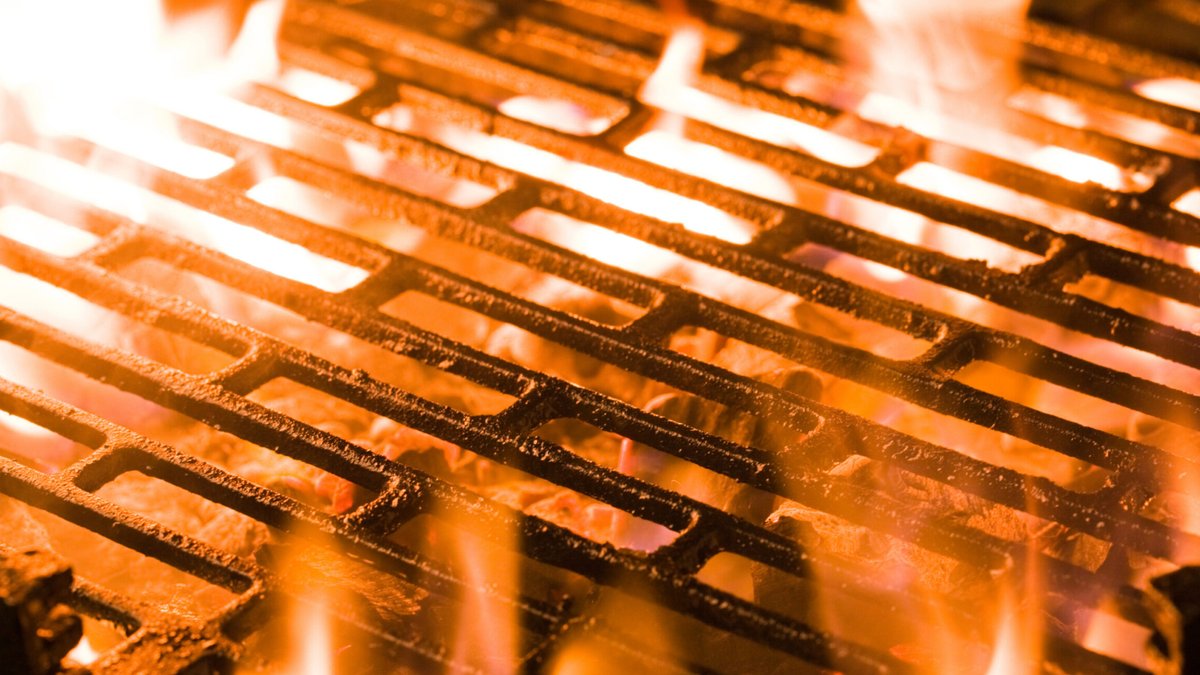
Walk into any commercial kitchen during dinner service, and the grills run at full capacity for hours. The grates endure heat, weight, and constant scraping from metal tools. Most kitchen managers prioritize burner output or grill size, but the material and thickness of those grates determine equipment longevity and cooking performance.
Grates Do More Than Hold Food
Grates store and transfer heat while creating sear marks and ensuring even cooking. A thin, flimsy grate heats unevenly, causing some items to burn while others remain undercooked. In a busy kitchen, this inconsistency creates immediate problems.
They also bear the weight of heavy stockpots, cast iron pans, and large cuts of meat while withstanding the scraping and shifting of fast-paced cooking. A grate not built for this load will warp, crack, or sag over time, leading to safety risks and operational issues.
Material Makes the Difference
Commercial grills typically use one of a few materials, each with advantages and drawbacks under sustained heat and heavy use.
- Cast iron retains heat well and produces dark sear marks that diners notice. It’s common in steakhouses and barbecue kitchens. However, it requires regular seasoning and careful drying to prevent rust, steps many busy kitchens overlook.
- Stainless steel resists corrosion and needs less upkeep than cast iron. It heats quickly but doesn’t hold heat as long, which can slow down large batches. It performs well in humid or coastal kitchens where rust is a constant concern.
- Porcelain-coated grates provide a non-stick surface that simplifies cleaning, but the coating chips under heavy use. Once damaged, the exposed metal rusts and heats unevenly. In high-volume kitchens where grates are scrubbed daily, the coating often fails sooner than expected.
Selecting the right material means matching it to the kitchen’s volume, menu, and staff’s ability to maintain it.
A burger joint cooking hundreds of patties an hour has different requirements than a steakhouse aiming for the perfect crust or a catering company transporting equipment. What works for one may not suit another.
Thickness Matters Just as Much
While material gets most attention, thickness plays an equally important role. A thick grate holds heat longer and distributes it more evenly, which is critical during nonstop grilling. Thin grates heat up fast but lose heat quickly when cold food touches the surface, forcing cooks to wait or adjust flames constantly.
Thicker grates also resist warping better. Repeated heating and cooling cycles stress metal, and thin grates bend out of shape within months. Once warped, food doesn’t sit flat, drippings pool unevenly, and flare-ups become harder to manage.
The drawback is cost. Thicker grates require a higher upfront investment and add weight, making them slightly harder to clean. For kitchens running grills continuously, the expense typically pays off through fewer replacements and more reliable results.
How to Choose the Right Grate
The ideal combination of material and thickness depends on daily kitchen demands. A high-turnover burger operation needs different specifications than a steakhouse focused on sear quality or a catering business moving equipment between events. Key factors include daily grill hours, most frequently cooked foods, and realistic maintenance time for staff.
Though grates represent a small portion of a grill’s total cost, their effect on daily operations is significant. Durable materials and proper thickness reduce downtime, improve food consistency, and extend equipment life. In a fast-paced kitchen where every minute and dish counts, this choice deserves careful consideration.
For kitchens needing extra protection on other surfaces, stair profiles can offer similar durability benefits.

Aluminium Stair Profiles Explained Simply


