


Shop‑Vac Falls Short in Structural Drying Science
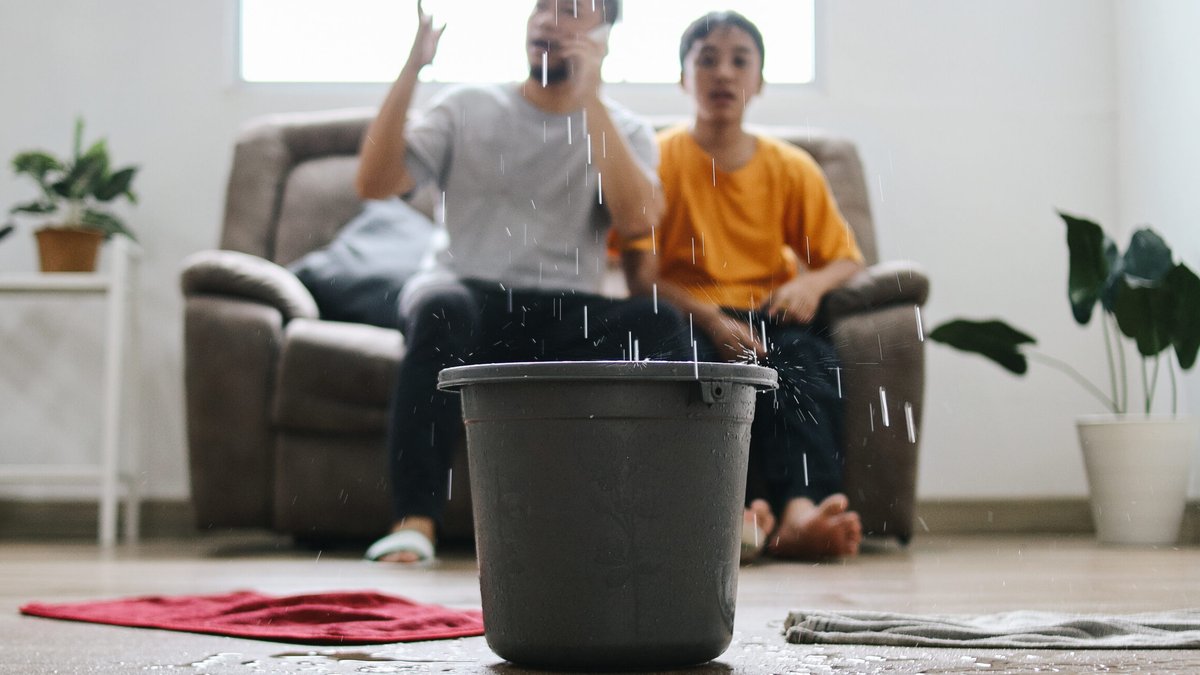
When water floods a home, the first tool many reach for is a Shop‑Vac, a wet‑dry vacuum that can quickly lift standing water from floors and carpets. While that device can clear visible puddles, it does not address the moisture that seaps into the structure itself.
Why Surface Extraction Is Not Enough
Within minutes of a pipe burst or a roof leak, water begins to infiltrate porous building components such as drywall, wood framing, subfloors, insulation and even concrete. These materials absorb water like sponges, pulling it into wall cavities, beneath flooring and behind baseboards. By the time the visible water has been vacuumed, the hidden moisture has already spread far beyond the surface.
Residual moisture in structural elements leads to a cascade of problems. Wood can warp, swell and eventually rot, while drywall loses its strength and may crumble. Flooring may buckle or separate from the subfloor. The most urgent risk is mold growth, which can start within 24 to 48 hours if conditions are right. Mold spores find organic material, warmth and humidity inside walls or under floors, making remediation far more difficult and costly.
What Professional Structural Drying Involves
Professional drying treats the issue as a science, targeting moisture at every level rather than just on the surface. Technicians deploy industrial air movers that force large volumes of air across wet areas, accelerating evaporation from porous materials. Commercial dehumidifiers then capture the vapor from the air, preventing it from re‑condensing into the building fabric.
Specialized tools such as moisture meters and thermal imaging cameras map the exact locations of hidden water, even inside closed walls or beneath flooring. These measurements guide the placement of equipment and allow technicians to verify that moisture levels have returned to acceptable thresholds throughout the affected zones.
Related: Hulme’s Sparkling Secret: Unveiling the Most Stunning Engagement Rings
Time is a critical factor. Every hour that passes after a water event raises the chance of secondary damage, because trapped moisture continues to migrate deeper into the structure. Professional equipment is designed to work aggressively during this early window, pulling moisture out before it can cause lasting harm.
A Shop‑Vac simply cannot move enough air or extract enough atmospheric moisture to match the performance of industrial air movers and dehumidifiers. While it removes standing water, it does not lower humidity in the surrounding air, nor does it reach moisture locked inside walls or flooring.
Using a vacuum after water damage is not a mistake—it is just an incomplete step. The initial removal of water is necessary, but a true drying strategy requires purpose‑built equipment, calibrated techniques and ongoing monitoring to confirm that the structure is fully dry.
For homeowners, the appeal of a vacuum is understandable: it is readily available, inexpensive and easy to operate. However, relying solely on that tool can defer a larger problem, leading to higher repair costs later on. Professional drying may seem like an added expense, but it addresses the hidden moisture that the device cannot reach, preventing the cascade of damage that follows.
In short, the science of structural drying goes beyond the quick fix of suction. It combines airflow, dehumidification and precise measurement to pull water out of every part of a building. Moisture damage prevention relies on this thorough approach, which ultimately protects a home from hidden dangers.

Safeguarding Stored Goods from Moisture Damage


