


EU budget talks end in walkout
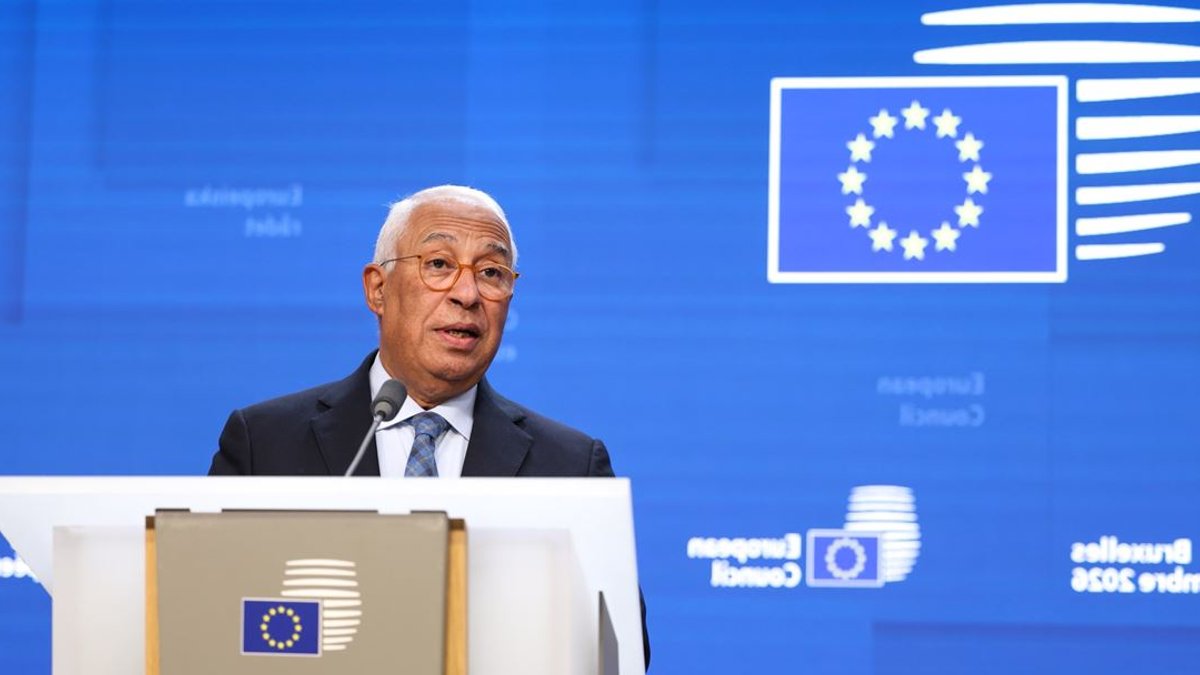
European leaders met in Brussels on November 26 for a budget summit, but it ended in a walkout, putting pressure on a December summit. The meeting was about the bloc’s next budget for 2028-2034, known as the Multi-annual Financial Framework (MFF), and funding for Ukraine.
Before the summit, two significant documents were introduced: Council President António Costa’s revised €1.78 trillion MFF proposal and the European Commission’s additional €45 billion loan aimed at partially addressing Ukraine’s budget deficit for 2027.
The updated budget proposal aimed to accommodate seven nations advocating for reductions and reforms, allocating more funds for competitiveness and security while reducing agricultural subsidies. However, 17 EU leaders opposed cuts to cohesion funds, which are designed to minimize economic and social disparities across regions.
Sticking Points
A critical point of contention is the €1.78 trillion budget size.
German Chancellor Friedrich Merz also criticized Costa’s proposal as “not a basis for a conclusion,” citing its excessive overall size. Finland and Sweden, part of the frugal seven, acknowledged that the proposal is moving in the right direction, albeit slowly.
Czech Prime Minister Andrej Babiš strongly opposed any budget reductions for member states, calling them “completely unacceptable.” Greece similarly rejected further cuts to cohesion funds and the Common Agricultural Policy on principle.
Ukraine Funding
According to President Volodymyr Zelenskyy’s November 24 statement, Ukraine requires €115 billion in external financial aid for 2027. Hungary, Slovakia, and Czechia have declined to participate in the €90 billion loan agreed in 2025 to support Ukraine through 2026-2027.
Read Also: EU company law reform hits roadblock
EU officials anticipate that the bloc will incur approximately €55 billion in interest payments between 2028 and 2034 for the €90 billion loan granted last year and a pending €45 billion loan.
Merz stated before negotiations that he would veto the entire budget unless all member states contribute to Ukraine’s long-term financial support.
Next Steps
All hopes are now on the December 17-18 summit. Costa is expected to table a revised proposal in the coming days, and Merz has already said the €204 billion cut “will not stop at €204 billion.”
However, the cohesion group insists on restoring agricultural and regional funding to current MFF levels, potentially by reducing competitiveness spending or increasing the overall budget.
National debt is increasing across member states, with net contributors like Germany and the Netherlands no longer willing to accept higher bills. For net beneficiaries such as Romania or Poland, that same public debt makes concessions harder too.
Costa’s revised proposal will need to address the concerns of both the frugal and cohesion camps. The European Commission’s new loan to Ukraine will also be a key point of discussion. The outcome of the December summit will have significant implications for the EU’s budget and its support for Ukraine.


